Best 5 AI Gateways for Legal in 2026: Privilege, Citation Tracking, and SOC 2
Five AI gateways for AmLaw 100 and corporate legal in 2026 scored on privilege isolation, citation verification, SOC 2 Type II/III, on-prem, matter cost.
Table of Contents
Originally published May 17, 2026.
An AmLaw 100 firm rolled an in-house research copilot across 213 partners and associates on a Monday and discovered by Thursday that the gateway it shipped on had been routing privileged work product (witness statements, deposition transcripts, a pending motion in limine) to a consumer ChatGPT tier where prompts were retained by default for model improvement, with no citation-verification layer in front of the model and no matter-level cost attribution back to the billing system. By Friday the firm had found three briefs in the pilot output containing fabricated case citations in the pattern of Mata v. Avianca. This guide compares the five AI gateways legal teams should consider in 2026, scored against ABA Model Rule 1.6, ABA Formal Opinion 512, ABA Resolution 112, the Mata v. Avianca sanctions standard, GDPR Article 28, and the SOC 2 Type II evidence requirements an AmLaw partnership audit committee inspects.
TL;DR: The 5 Best Legal AI Gateways for 2026
Future AGI Agent Command Center is the strongest single pick for a legal AI gateway in 2026 because it bundles an OpenAI-compatible drop-in, a citation-verification eval tied to span IDs, 18+ guardrail scanners covering privileged-content patterns and PII, per-matter virtual-key budgets, OpenTelemetry audit traces, and an on-prem or air-gapped path in one Apache 2.0 stack. Legal procurement in 2026 weighs five events: the ABA House of Delegates reaffirmation of Resolution 112 in February, the LiteLLM PyPI supply-chain compromise on March 24, the MCP STDIO RCE class disclosure in mid-April, the announced Palo Alto Networks acquisition of Portkey on April 30, and the Damien Charlotin hallucinated-citation tracker passing 137 in early May.
- Future AGI Agent Command Center — Best overall. Citation eval, privilege and PII guardrails, per-matter budgets, OTel audit traces, Apache 2.0, self-hosted in a firm VPC.
- Portkey — Best for multi-office firms wanting a managed cost and audit dashboard. Verify the Palo Alto Networks acquisition timeline before signing multi-year.
- Kong AI Gateway — Best for firms already running Kong for REST where unified OPS across REST and LLM is the binding constraint.
- LiteLLM (self-host) — Best for air-gapped Python-first deployment with no outbound SaaS dependency.
- TrueFoundry AI Gateway — Best for teams that need both control and gateway planes inside the firm VPC.
Helicone is intentionally not in the ranked list; it was acquired by Mintlify on March 3, 2026 and is in maintenance mode.
Why Legal Needs an AI Gateway in 2026
The procurement question is no longer whether to deploy an LLM copilot in a firm or general counsel’s office. It’s which gateway sits between the firm and the model, what that gateway promises about privileged data, and what evidence it can produce when a partner pulls the AI-use audit for a malpractice carrier renewal. The three production failure modes a gateway prevents have names and dockets.
Fabricated citations. Mata v. Avianca, 22-cv-1461 (S.D.N.Y. 2023), is the canonical incident: two lawyers at Levidow, Levidow & Oberman cited six fictitious ChatGPT-generated cases in a personal-injury brief and were sanctioned 5,000 dollars. The Damien Charlotin tracker counted 137 distinct U.S. federal and state sanctions or admonitions through early May 2026, with consequences ranging from public reprimand to fee disgorgement to bar-referral. A gateway with a citation-verification eval is the practical Rule 11 safeguard between the attorney and the brief.
Privileged data sent to a public LLM. ABA Model Rule 1.6(a) prohibits revealing client information without informed consent; consumer ChatGPT, Claude, and Gemini retain prompts by default for model improvement. ABA Formal Opinion 512 (July 29, 2024) clarified that pasting a witness statement, deposition transcript, or pending motion into a consumer surface without a contractual no-training opt-out has likely breached Rule 1.6(c). A gateway routes legal traffic only to enterprise tiers under a signed DPA with documented no-training opt-out and a privilege-content guardrail in front of the model.
Client-billing leakage through AI chargeback. AmLaw firms bill by matter, not by API key. The 2026 question for the CIO and CFO is how AI usage attributes back to a matter number, partner-in-charge, and client-billing line item without leaking the same matter’s prompts into a shared observability stack. A gateway with per-matter virtual keys, tag-based attribution, and matter-aware audit logs solves the operational half; matter-management software (Elite 3E, Aderant Expert, ProLaw, Centerbase, CounselLink) handles the rest.
The cohort hit in 2025 and 2026 includes a top-50 New York commercial litigation firm whose Rule 11 sanctions order was reported in May 2026, a regional Texas plaintiffs’ firm fined 2,000 dollars in October 2025 for citing three fictitious Texas Supreme Court opinions, and at least four in-house departments whose ethics committees opened internal reviews after associates used consumer Claude for unredacted contract review.
How We Scored: Seven Axes for Legal Gateways
We used the Future AGI Production Gateway Scorecard for Legal, a seven-axis rubric for the AmLaw 100 and in-house legal department buying cycle. Every axis has to be defensible to an ethics committee reading ABA Model Rule 1.6 and to a malpractice carrier reviewing the firm’s AI-use safeguards.
| # | Axis | What we measure |
|---|---|---|
| 1 | Privilege-protected data isolation (no training opt-in) | Per-provider no-training contractual posture; gateway-level opt-out; isolation of privileged matters from shared cache; tenancy enforcement |
| 2 | Citation verification and tracking | Built-in citation eval; integration with reporter databases (Westlaw, Lexis, Fastcase, CourtListener); span-ID linkage; false-positive rate on real legal text |
| 3 | SOC 2 Type II / SOC 2 Type III | SOC 2 Type II report; extended-scope Type III when published; ISO 27001; HITRUST CSF for life-sciences in-house |
| 4 | On-prem and air-gapped deployment | Apache 2.0 or source-available self-host; air-gapped install; BYOC inside the firm VPC |
| 5 | Matter-level cost attribution | Per-virtual-key budgets; tag-based attribution to matter, partner, practice group, client; export to matter-management systems |
| 6 | Audit log for ethics-board review | OpenTelemetry-native traces; per-request capture of attorney, matter, prompt version, model version, citation result; long-term retention |
| 7 | Client-billing data export | Structured export to Elite 3E, Aderant Expert, ProLaw, Centerbase, CounselLink; per-matter cost rollups for AI-usage chargeback |
Axes 1, 2, and 6 decide whether the gateway actually keeps a firm safe in production.
What the 2026 Legal AI Compliance Stack Demands
The 2026 compliance stack is four layers. A gateway that handles only one isn’t a legal gateway.
-
ABA Model Rule 1.6, Rule 1.1 Comment 8, and Formal Opinion 512. Rule 1.6(a) prohibits revealing client information without consent; 1.6(c) requires reasonable efforts to prevent inadvertent disclosure; Rule 1.1 Comment 8 establishes technological competence. Formal Opinion 512 (July 29, 2024) addresses generative AI directly: lawyers must evaluate data handling, training-on-data posture, retention, and safeguards before using a tool for client work.
-
ABA Resolution 112 and state bar AI guidance. Resolution 112 (adopted August 2019, reaffirmed February 2026) urges courts and lawyers to address AI’s ethical issues including bias, explainability, and competence. The California, New York, Florida, and Texas state bars have each issued AI-specific advisory opinions in the 18 months through May 2026.
-
Mata v. Avianca citation-verification standard. Mata v. Avianca sanctioned two lawyers and their firm 5,000 dollars for citing six fictitious ChatGPT cases. The Damien Charlotin tracker documents 137 distinct sanctions or admonitions through May 2026. Rule 11 due diligence in 2026 includes documenting the citation-verification step that ran on every brief generated through the AI gateway.
-
GDPR Article 28 plus the EU AI Act. Article 28(3) requires a written controller-processor contract with eight clauses. The EU AI Act (in force August 1, 2024, phased through August 2, 2027) classifies AI used by judicial authorities and in administration of justice (Annex III point 8) as high-risk. The gateway is the Article 28 processing surface and the Article 12 runtime logging surface.
Future AGI Agent Command Center: Best Overall for Legal AI
Future AGI Agent Command Center tops the 2026 legal list because it bundles every layer of the compliance stack at the same network hop in an Apache 2.0 stack you can self-host inside the firm VPC: an OpenAI-compatible drop-in, a citation-verification eval against authoritative reporter databases, 18+ guardrail scanners (PII, secret detection, data leakage, hallucination, MCP security, topic restriction, plus a privileged-content pattern detector), per-matter virtual-key budgets, exact plus semantic caching, and OpenTelemetry-native traces. SOC 2 Type II ships at the Boost tier; BYOC and on-prem at the Enterprise tier. Apache 2.0 covers traceAI, ai-evaluation, and agent-opt at the Future AGI GitHub repo.
Key strengths.
- OpenAI-compatible drop-in: change
base_urltohttps://gateway.futureagi.com/v1and the citation eval plus privilege guardrail slot in via span-ID linkage with no SDK rewrite. - 20+ providers via six native adapters (OpenAI, Anthropic, Gemini, Bedrock, Cohere, Azure) plus OpenAI-compatible presets and self-hosted backends, including the three most-routed legal upstreams that contractually exclude training on customer data: OpenAI Enterprise plus API, Anthropic Claude, and Azure OpenAI under the Microsoft Online Services DPA.
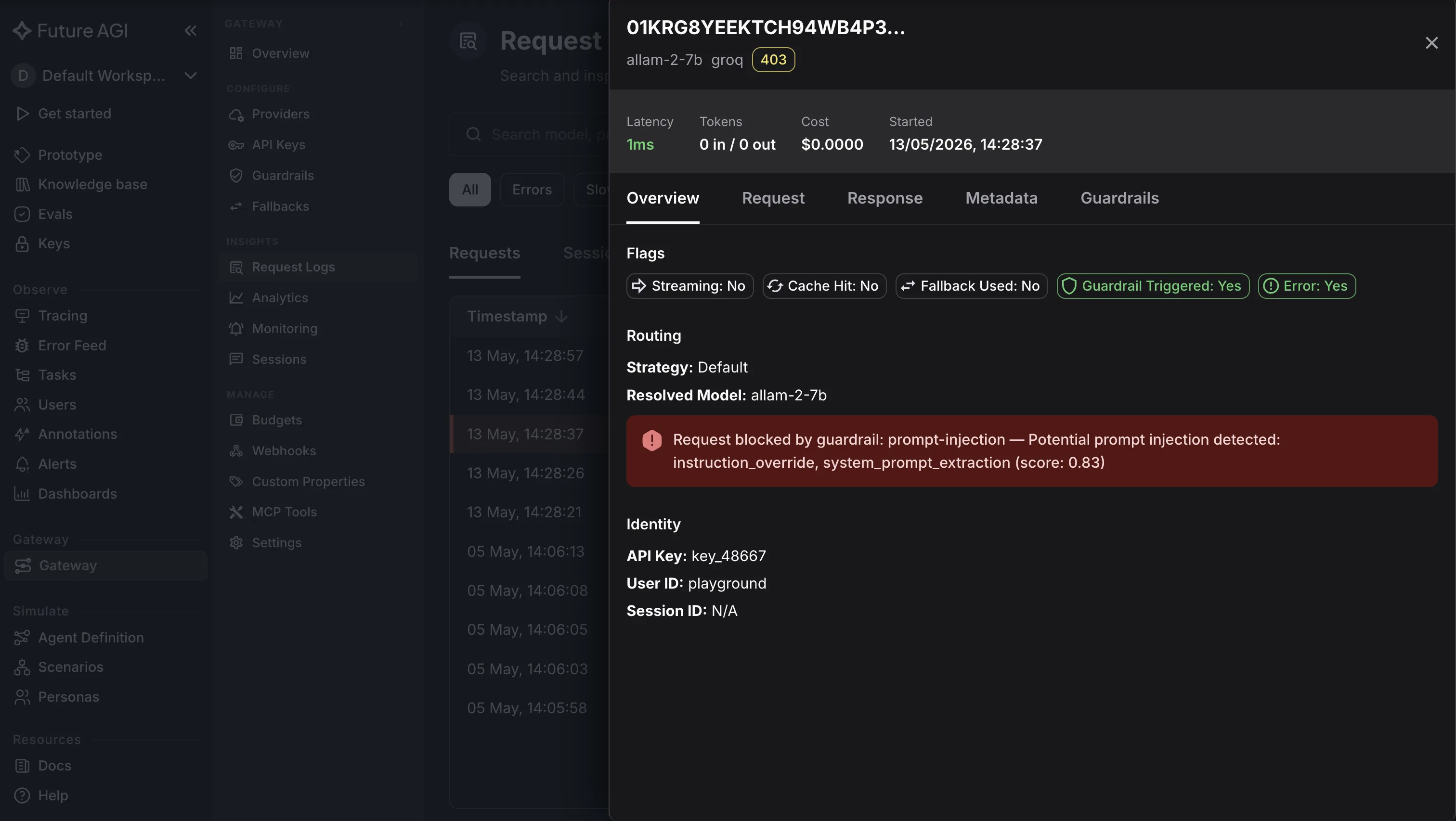
- The Future AGI Protect model family for inline guardrails, ~65 ms p50 text and ~107 ms p50 image (arXiv 2510.13351), below the latency an attorney perceives during contract review or legal research. Protect is FAGI’s own fine-tuned model family built on Google’s Gemma 3n with specialized adapters across four safety dimensions (content moderation, bias detection, security/prompt-injection, data privacy/PII), natively multi-modal across text, image, and audio, a model family, not a plugin chain of third-party detectors. A privileged-content pattern detector flags work-product language (“attorney-client privilege”, “work product doctrine”, “common-interest doctrine”) alongside the four Protect dimensions, and a dedicated MCP Security scanner sits alongside; the same dimensions are reusable as offline eval metrics so the prod policy and the eval rubric stay in sync.
- Per-matter virtual keys with tag-based custom properties: tag every request with
matter_number,partner_in_charge,practice_group, andclient_code; the same span attributes drive cost rollup and audit-log export, retained across the full matter lifecycle plus the firm’s post-closure window (commonly six years for litigation). - OpenTelemetry-native traces plus Prometheus metrics, feeding Grafana, the ethics-committee audit log, and the Future AGI Evaluation pipeline via
span_idlinking from gateway trace to citation-verification result.
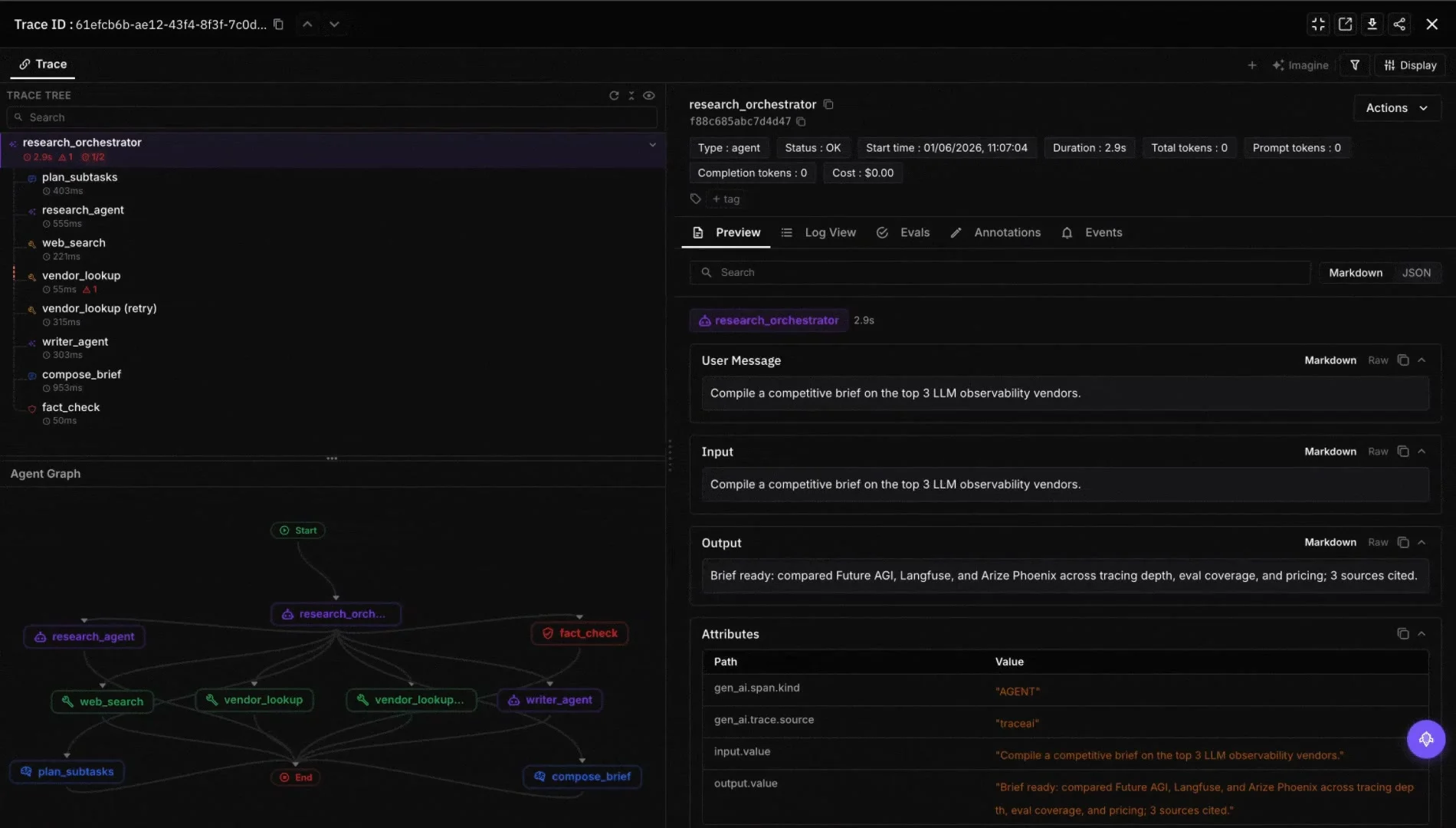
traceAI instruments 50+ AI surfaces across Python, TypeScript, Java, and C# (including Spring Boot starter, Spring AI, LangChain4j, Semantic Kernel) OpenInference-natively, and Error Feed. the part of the eval stack, the clustering and what-to-fix layer that feeds the self-improving evaluators, turns those traces into named issues with zero config: auto-clusters related citation-verification and privilege-leakage failures (50 traces → 1 issue), auto-writes the root cause plus a quick fix plus a long-term recommendation per issue, and tracks rising/steady/falling trend per issue so emerging Mata-class patterns get triaged before they reach a brief.
- Self-improving loop: production citation failures, privilege misroutes, and matter misattributions feed back into the optimizer (
agent-opt, Apache 2.0), iteratively improving routing, redaction, and citation policies.
Where it falls short. The citation-verification eval ships with prebuilt integrations for CourtListener and a public reporter database; Westlaw, Lexis, and Fastcase require the firm to wire its own API credentials. Full execution tracing for agents is an “In Progress” roadmap item.
from openai import OpenAI

client = OpenAI(api_key="$FAGI_API_KEY", base_url="https://gateway.futureagi.com/v1")

response = client.chat.completions.create(
    model="openai/gpt-4o",
    messages=[{"role": "user", "content": "Summarise the deposition transcript above and cite supporting case law."}],
    extra_headers={
        "x-fagi-matter-number": "M-2026-04812",
        "x-fagi-partner": "epark",
        "x-fagi-practice-group": "commercial-litigation",
    },
)
Verdict. Strongest single pick when the constraint is OpenAI compat plus citation eval plus privilege guardrails plus per-matter cost attribution in an Apache 2.0 stack, with an on-prem path.
Portkey: Best for Managed Multi-Office Cost and Audit Dashboard
Portkey is the strongest pick when you want a managed cost and audit dashboard out of the box, the most mature semantic cache in production, and a four-tier budget hierarchy with PII anonymization at the Enterprise tier that maps cleanly onto a multi-office firm’s matter-attribution requirements. The caveat is the Palo Alto Networks acquisition announced April 30, 2026, expected to close in Palo Alto’s fiscal Q4 2026.
Key strengths.
- Exact plus semantic caching out of the box; legal research and contract review workloads typically see thirty to sixty percent hit rates on second-and-later requests within the same matter.
- Per-key, per-virtual-key, per-model, and per-time-window budgets; the most fine-grained native-dashboard hierarchy on the list, mapping cleanly onto multi-office structure where the partner-in-charge owns the matter budget and the practice group owns the aggregate spend.
- 250+ providers via the adapter library, including private OSS deployments and on-prem Llama variants.
- SOC 2 Type 2, ISO 27001, and GDPR audit-log support; PII anonymization at the Enterprise tier.
Where it falls short. The Palo Alto Networks acquisition hasn’t yet closed; multi-year AmLaw contracts should reference the integration plan and include a termination-for-control-change clause. Observability is dashboard-first; OpenTelemetry export exists but is less first-class, complicating integration with an existing Splunk or Datadog stack. The platform doesn’t ship a built-in citation-verification eval, firms relying on Portkey for legal AI need to build or contract the citation step separately.
Verdict. Most mature managed cost and audit dashboard for legal AI in 2026. Choose with eyes open on the Palo Alto Networks integration timeline.
Kong AI Gateway: Best for Firms Already Running Kong for REST APIs
Kong AI Gateway is the strongest pick when the firm or in-house legal IT organization already runs Kong Gateway for its REST and microservice surface and the binding constraint is “the same OPS rotation, the same SLAs, the same plugin model, the same audit log path that the existing REST traffic uses, applied to LLM traffic.”
Key strengths.
- Kong’s plugin ecosystem with 90+ plugins; AI Proxy Advanced, AI Prompt Guard, AI Rate Limiting Advanced, and AI Semantic Cache ship as part of the AI Gateway feature set.
- API-gateway-grade SLAs in Kong Konnect (99.95 percent uptime) with documented service-level commitments AmLaw IT procurement teams already understand from the REST contract.
- Self-managed control plane (firm runs Kong control plane in its own VPC) and Konnect-managed both available, giving litigation-support teams an air-gapped path without changing vendor.
- SOC 2 Type II, ISO 27001, and GDPR DPA available.
Where it falls short. Legal-specific guardrails (citation verification, privilege-content pattern detection, matter-level audit log) are positioned as third-party plugin integrations rather than built-in features. A firm choosing Kong takes on a six-to-twelve-week plugin-development project to bring the legal-specific feature set online. The native observability dashboard is REST-API-oriented; per-matter cost attribution requires a custom analytics pipeline into the matter-management system.
Verdict. The right pick when the firm already runs Kong for REST and the procurement question is “extend our existing API gateway contract” rather than “select a new product.”
LiteLLM (Self-Host): Best for Air-Gapped, Source-Available Python Routing
LiteLLM as a self-hosted, commit-pinned, air-gapped deployment is the strongest pick when the constraint is “100 percent source-available, no outbound SaaS dependency, Python-native, pinned to a known-good commit hash with no automatic upgrades.” It’s the gateway most often shortlisted by litigation-support shared-service organizations and government in-house legal teams where the air-gap requirement is non-negotiable.
Key strengths.
- Broadest provider coverage on this list (20+ providers via six native adapters (OpenAI, Anthropic, Gemini, Bedrock, Cohere, Azure) plus OpenAI-compatible presets and self-hosted backends); a firm can route an air-gapped Llama 3.1 for high-confidentiality matters and a contracted OpenAI Enterprise tier for lower-risk legal research from the same Python proxy.
- Apache 2.0 outside the enterprise directory; trivial to fork, audit, and run inside a firm-controlled CI pipeline with a tagged-release-only upgrade policy.
- Virtual keys with per-key budgets; trivial to extend with custom adapters for a firm-specific privileged-content detector or citation-verification step.
Where it falls short. The March 24, 2026 PyPI supply-chain compromise: versions 1.82.7 and 1.82.8 were published by the TeamPCP threat actor after PyPI publishing tokens were exfiltrated via a compromised Trivy GitHub Action in LiteLLM’s CI/CD. The packages shipped a credential harvester, Kubernetes lateral-movement toolkit, and persistent systemd backdoor; over 40,000 downloads occurred before PyPI quarantine (Datadog Security Labs writeup). Pin to 1.82.6 or earlier. The OSS distribution has no vendor DPA, no built-in citation verification, no native client-billing export, and no managed control plane, it’s a routing layer the firm wraps with its own legal-AI platform.
Verdict. Cleanest 100 percent source-available story when the air-gap requirement is non-negotiable; the March 2026 incident shifts it from “default pick” to “pin commits and audit.”
TrueFoundry AI Gateway: Best for Single-Vendor Full-Stack VPC Install
TrueFoundry AI Gateway is the strongest pick when both the control plane and the gateway plane must run inside the customer VPC, with full air-gapped support and a single-vendor full-stack arrangement.
Key strengths.
- Full VPC and air-gapped install for both planes with hands-off mode for the customer’s engineering team.
- SOC 2 Type 2 and HIPAA compliance achieved in 2024 and maintained through 2026; FIPS on AWS GovCloud and Azure Government for public-sector in-house legal.
- Routes to major DPA-eligible upstreams (Azure OpenAI, AWS Bedrock, OpenAI Enterprise plus API, Anthropic, Vertex AI) plus self-hosted endpoints.
- Data masking at the Enterprise tier; audit log retention path (commonly six years for litigation).
Where it falls short. Proprietary license; the source isn’t available for the audit a firm can run on Future AGI’s OSS instrumentation or LiteLLM. Pricing starts at 499 dollars per month for Pro and rises for VPC and on-prem via sales. Legal-specific features (citation verification, privileged-content detection, matter-level billing export to Elite 3E or Aderant) are adapter integrations rather than built-in.
Verdict. The right pick when the procurement constraint is “everything runs inside our VPC, including the control plane, and we want a single vendor accountable for the full stack.”
Compliance and Risk Matrix for Legal AI Gateways in 2026
| Capability | Future AGI ACC | Portkey | Kong AI Gateway | LiteLLM (self-host) | TrueFoundry |
|---|---|---|---|---|---|
| License | Apache 2.0 (traceAI, ai-evaluation, agent-opt) | Source available | Apache 2.0 (Kong Gateway) plus Enterprise | Apache 2.0 outside enterprise dir | Proprietary |
| Privilege isolation (no-training opt-in) | Yes (per-provider opt-out plus tenancy) | Yes (Enterprise) | Via plugin chain | Firm-managed DPA path | Yes (Enterprise) |
| Citation verification eval | Yes (built-in, span-ID linked) | No (custom build) | Via third-party plugin | No (firm builds) | Via integration |
| SOC 2 Type II | Yes (Boost tier) | Yes (Enterprise) | Yes (Kong Konnect) | Enterprise; Type I on OSS | Yes |
| SOC 2 Type III / extended scope | On roadmap | Enterprise on request | Konnect Enterprise | Not on OSS self-host | Available |
| On-prem / air-gapped | Yes (BYOC, Enterprise) | Yes (Enterprise) | Yes (self-managed CP) | Yes (fully air-gapped) | Yes (both planes) |
| Matter-level cost attribution | Yes (tag-based VKs) | Yes (4-tier hierarchy) | Custom analytics pipeline | Custom adapter | Yes (Enterprise) |
| Audit log retention | OTLP traces, firm-configurable | Dashboard plus OTel partial | REST-style request logs | Firm-configurable | Native plus retention |
| Client-billing export | OTel and Prometheus; firm wires Elite 3E, Aderant | CSV plus dashboard | Custom analytics pipeline | Firm builds | Via integration |
| GDPR Article 28 DPA | Yes (Enterprise) | Yes (Enterprise) | Yes (Kong Enterprise) | Firm holds upstream DPA | Yes |
The four columns that matter most for legal (citation verification, privilege isolation, matter-level cost attribution, on-prem path) are where the field separates.
Implementation Pattern with Future AGI for an AmLaw Deployment
The default Future AGI deployment for an AmLaw firm in 2026 is a three-phase rollout the partnership-level audit committee recognizes as a measured Rule 1.6(c) rollout rather than a greenfield experiment.
Phase 1: Cloud-hosted shadow mode (weeks 1 to 4). Point a single non-billable practice area (legal-research training, knowledge management, marketing-content drafting) at gateway.futureagi.com/v1 with the OpenAI SDK drop-in. The gateway runs the citation-verification eval, the privilege-content pattern detector, and the audit log in shadow mode (flagging but not blocking). The CIO and ethics committee review weekly and validate citation false-positive and false-negative rates against a held-out set of twenty briefs from the matter archive.
Phase 2: BYOC inside the firm VPC (weeks 4 to 12). Deploy in BYOC mode inside the firm VPC, route billable practice areas (commercial litigation, transactional, IP, regulatory, employment), enable blocking on the citation eval and the privilege pattern, and wire the audit log export into Splunk or Datadog via OpenTelemetry. Per-matter virtual keys with tag-based attribution come online, and the CFO begins AI-usage chargeback reconciliation against the matter-management system.
Phase 3: On-prem or air-gapped (weeks 12 onward). Highest-confidentiality matters (white-collar defense, government investigations, M&A signing-but-not-closed, life-sciences regulatory under HITRUST CSF v11 mapping) route to an on-prem or air-gapped Future AGI deployment with no outbound SaaS dependency. The self-improving loop runs locally on the firm’s matter archive (Apache 2.0 across agent-opt), so the optimizer learns from the firm’s actual citation failure modes and privilege false positives over time.
The 2026 Legal AI Gateway Trust Cohort
Every legal AI gateway post currently ranking on Google is treating these as if they didn’t happen. They did.
- Helicone joining Mintlify (March 3, 2026). Maintenance mode; teams already on Helicone should plan a migration window.
- LiteLLM PyPI supply-chain compromise (March 24, 2026). TeamPCP-attributed compromise of versions
1.82.7and1.82.8; 40,000+ downloads before PyPI quarantine. Pin to 1.82.6 or earlier; rotate credentials. - Anthropic MCP STDIO RCE class (mid-April 2026). OX Security disclosed an STDIO transport class flaw affecting roughly 7,000 MCP servers and 150 million plus downstream downloads. Legal gateways routing MCP traffic are now expected to enforce least-privilege tool access, OAuth 2.1 transport, and Streamable HTTP.
- Portkey acquired by Palo Alto Networks (April 30, 2026, not yet closed). Expected close in Palo Alto’s fiscal Q4 2026; multi-year AmLaw contracts should reference the integration plan in writing.
- Damien Charlotin tracker passing 137 (May 2026). Cumulative U.S. sanctions or admonitions from AI-generated fictitious citations passed 137 in the tracker, making Mata v. Avianca the default Rule 11 due-diligence benchmark.
For the next 12 months, license clarity, citation-verification evidence, and acquisition independence are part of the buying decision.
Picks by Buyer Profile in 2026
| If you are a… | Pick | Why |
|---|---|---|
| AmLaw 100 commercial litigation running research and brief-drafting copilots | Future AGI Agent Command Center | OpenAI compat plus citation eval plus privilege guardrails plus per-matter budgets in one Apache 2.0 stack |
| Multi-office mid-market firm needing a managed cost dashboard | Portkey | Most fine-grained budget hierarchy (verify Palo Alto Networks timeline) |
| In-house legal IT at a Fortune 500 already on Kong for REST | Kong AI Gateway | API-gateway SLAs and unified OPS across REST and LLM |
| Air-gapped litigation-support shared-service org | LiteLLM (self-host, commit pinned) | 100% Apache 2.0, no outbound SaaS, firm-controlled CI |
| Government general counsel under no-outbound-SaaS policy | LiteLLM (self-host) or TrueFoundry | Air-gapped routing and audit log inside the agency VPC |
| AmLaw firm wanting a single vendor for the full VPC stack | TrueFoundry AI Gateway | Both planes inside the firm VPC; SOC 2 Type 2, GDPR |
| Life-sciences in-house legal with HITRUST CSF v11 mappings | Future AGI Agent Command Center | OTel audit log mapped to HITRUST; citation eval for FDA cite-checking |
| Plaintiffs’ firm running discovery triage on de-identified documents | Future AGI Agent Command Center | Per-matter attribution plus citation eval plus privilege detector |
Which AI Gateway Is Right for Your Legal Team in 2026?
Legal AI in 2026 is a stack of ABA Model Rule 1.6, Formal Opinion 512, Resolution 112, the Mata v. Avianca citation standard, GDPR Article 28, and SOC 2 Type II requirements, riding on top of an AI gateway. That gateway has to keep privileged data out of any training pipeline, verify every case citation before the attorney sees it, attribute every dollar back to a matter number, and survive a Rule 11 hearing or ethics-committee inquiry without forcing a re-platforming.
Of the five above, Future AGI Agent Command Center is the strongest pick when the constraint is OpenAI compat plus citation eval plus privilege guardrails plus per-matter cost attribution plus OpenTelemetry audit traces in one Apache 2.0 stack, self-hosted inside the firm VPC, with SOC 2 Type II at the Boost tier. Portkey when a managed cost dashboard is the binding constraint and the Palo Alto Networks integration risk is acceptable. Kong AI Gateway when the firm already runs Kong for REST. LiteLLM self-host when the air-gap requirement is non-negotiable. TrueFoundry when both planes must run inside the firm VPC under a single-vendor arrangement.
Try Agent Command Center free. OpenAI-compatible routing, citation-verification eval out of the box, 18+ privilege and PII guardrails, per-matter virtual-key budgets, and OpenTelemetry audit traces in one Apache 2.0 stack.
Related reading
- Best 5 AI Gateways for Compliance Audit Trails in 2026, the compliance and audit-trail comparison
- Best 5 AI Gateways for LLM Cost Optimization in 2026, the five-layer cost stack and the 2026 trust cohort
- Best 5 AI Gateways for Customer Support in 2026: Latency Budgets, Agent Assist, and Voice AI Passthrough, the customer-support-specific gateway picks
- Best 5 AI Gateways for Cybersecurity in 2026: Prompt Injection Defense, Tenant Isolation, and SOC 2, the cybersecurity-specific gateway picks
Frequently Asked Questions
What Is the Best AI Gateway for AmLaw 100 and In-House Legal in 2026?
Does ABA Model Rule 1.6 Allow Sending Client Data to a Public LLM?
How Does an AI Gateway Prevent a Mata v. Avianca Citation Hallucination?
Do These Gateways Support GDPR Article 28 Processor Obligations for EU Legal Work?
How Do I Track Matter-Level Cost Attribution Through an AI Gateway?
Which AI Gateways Are Still Safe for AmLaw Procurement After the 2026 Trust Events?
Five AI guardrails for legal: brief drafting, contract review, legal research, e-discovery. ABA Model Rules 1.1/1.6/3.3/5.3, Mata v Avianca, FRCP 11.
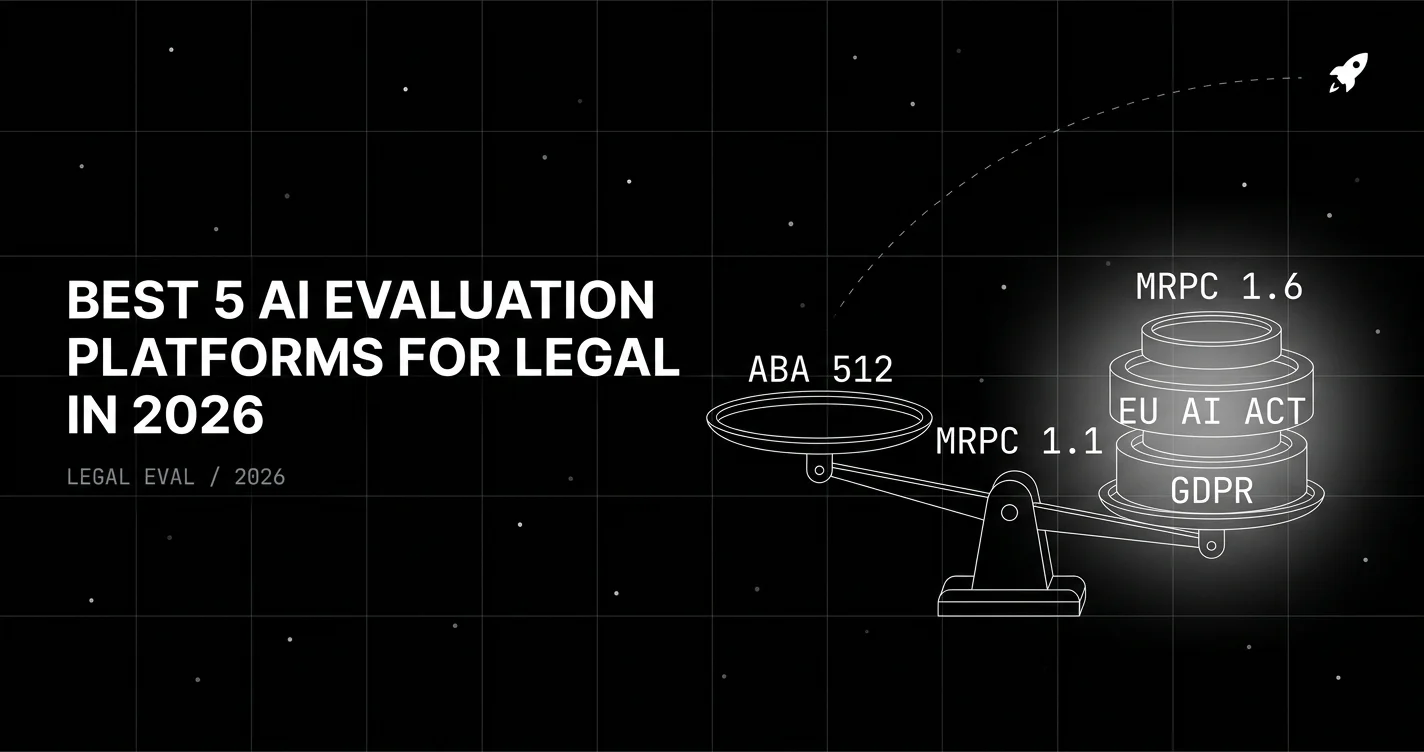
Five legal AI eval platforms scored on four tests: clause-citation validity, privilege, jurisdiction-correct authority, refusal calibration. May 2026.

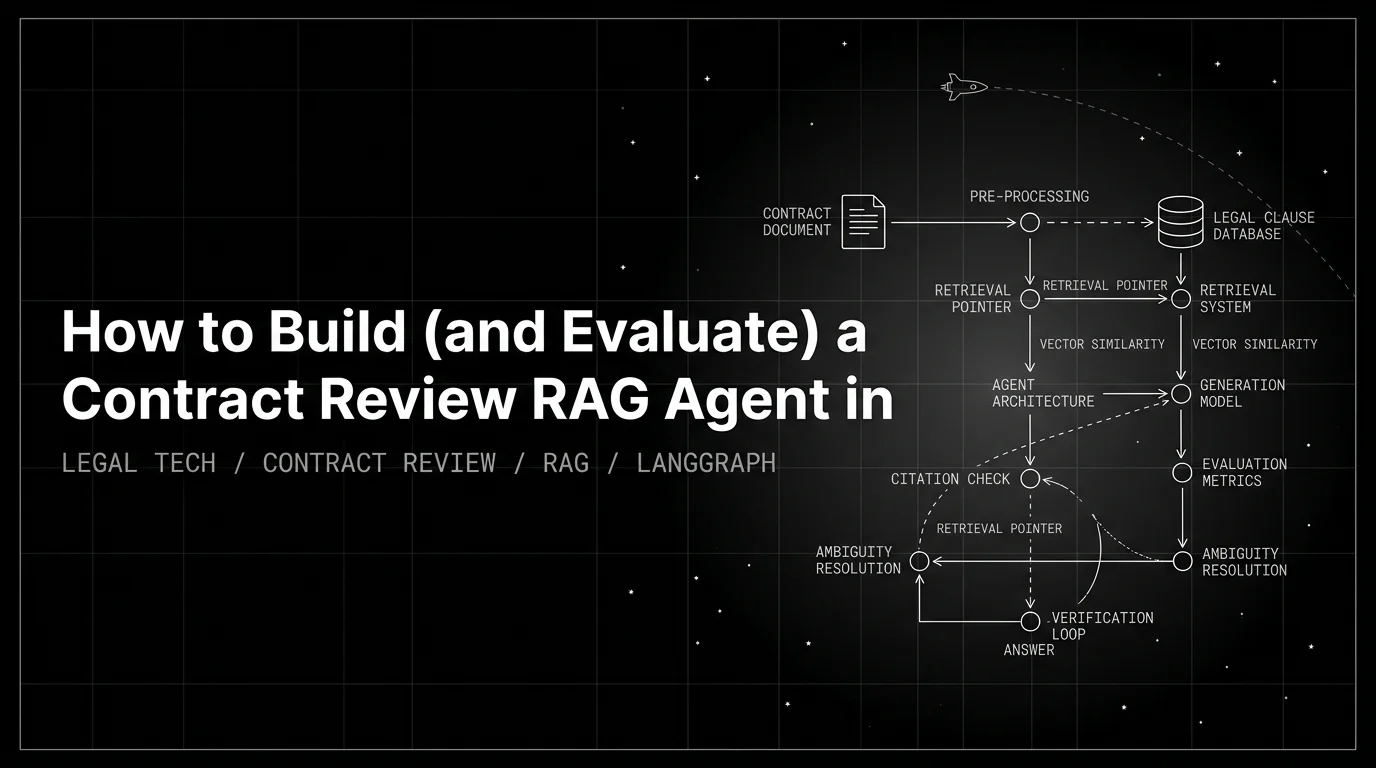
Contract review RAG in 2026: clause-level retrieval, citation enforcement, the eval suite in-house counsel signs off on, LangGraph wiring to OTel traces.