OpenAI Frontier vs Claude Cowork in 2026: Enterprise Agent Platforms Compared for Engineering Leaders
OpenAI Frontier vs Claude Cowork 2026 head-to-head: agent execution, governance, security, pricing, and the eval layer every CTO needs on top of both.
Table of Contents
Why OpenAI Frontier and Claude Cowork Force a Platform Decision in 2026
OpenAI Frontier and Claude Cowork both launched in the same window of early 2026. Both promise to turn AI agents into full-fledged digital colleagues. And both are forcing every VP of Engineering and CTO to answer a difficult question: which AI orchestration platform should we build on?
This guide breaks down the comparison from an engineering and evaluation standpoint so you can make an informed platform decision, regardless of which vendor you choose. The short answer: neither replaces the eval and observability layer you still need.
TL;DR: Frontier vs Cowork 2026 at a Glance
| Dimension | OpenAI Frontier | Claude Cowork |
|---|---|---|
| Primary use case | Fleet orchestration across departments | Individual and team task automation |
| Target user | VP Eng, CTO, Head of AI | Eng leads, knowledge workers |
| Execution model | Multi-agent parallel orchestration | Single agent, multi-step sequential |
| Security model | Per-agent IAM, audit trails | Linux VM sandbox, folder-scoped access |
| Multi-model | Yes (OpenAI, Google, Microsoft, Anthropic) | No (Claude only) |
| Compliance | SOC 2 Type II, ISO 27001/27017/27018/27701, CSA STAR | Enterprise plan SSO and audit logs |
| Built-in evaluation | Basic eval and optimization loops | Limited, mostly user feedback |
| Availability | Limited enterprise preview | All paid Claude tiers |
| Pricing | Undisclosed, contact sales | Starts at $20/month (Claude Pro) |
OpenAI Frontier and Claude Cowork represent two fundamentally different answers to the same enterprise problem. Frontier is an orchestration layer for managing fleets of AI agents across departments and clouds. Cowork is a desktop-native agent that handles multi-step knowledge work for individual users and small teams. The comparison at this level is not about model benchmarks. It is about how agents execute, how they are governed, and how you evaluate whether they are doing good work in production.
What Is OpenAI Frontier: Enterprise Agent Fleet Orchestration
OpenAI Frontier launched on February 5, 2026 as an end-to-end enterprise platform for building, deploying, and managing AI agents. The core idea: AI agents should be treated like employees. They need onboarding, shared business context, explicit permissions, feedback loops, and performance reviews.
Frontier connects to enterprise systems like CRMs, data warehouses, and ticketing tools through a shared semantic layer. Every agent operating within Frontier accesses the same institutional knowledge. Agents can reason over data, execute code, build memory from past interactions, and improve through built-in evaluation loops.
Key Technical Details
- Multi-model support: Compatible with agents from OpenAI, Google, Microsoft, Anthropic, and custom-built agents.
- Agent IAM: Each agent gets a defined identity with scoped permissions, enabling audit trails in regulated environments.
- Forward Deployed Engineers (FDEs): OpenAI pairs its engineers with enterprise teams to operationalize governance.
- Execution flexibility: Agents run locally, on enterprise clouds, or on OpenAI-hosted infrastructure.
- Compliance: SOC 2 Type II, ISO/IEC 27001, 27017, 27018, 27701, and CSA STAR.
Early Customers and Availability
Early customers include Uber, Intuit, State Farm, HP, and Oracle per OpenAI’s launch materials. Pricing is undisclosed, and access is limited to select enterprise customers. The platform is aimed at large organizations that need to coordinate many AI agents across departments.
What Is Claude Cowork: Desktop-Native Agent for Knowledge Work
Anthropic launched Cowork on January 13, 2026 as a research preview. The pitch: “Claude Code for the rest of your work.” Cowork gives Claude access to a folder on your computer, and Claude can then read, edit, create, and organize files. It plans tasks, breaks them into subtasks, and executes with minimal hand-holding.
Cowork runs inside a lightweight Linux VM on the user’s machine. Files are mounted into a containerized environment, so Claude cannot access anything outside the folders you explicitly grant.
Key Technical Details
- Plugin system: 11 open-source plugins covering sales, legal, finance, marketing, and customer support. Companies can build custom plugins for specific roles.
- MCP connectors: Connects to Slack, Figma, Asana, and CRMs, allowing agents to pull and push data across tools.
- Cross-platform: Available on both macOS and Windows with full feature parity per Anthropic’s launch announcement.
- Powered by Claude Opus 4.x: Long-context support and extended max output for long-running tasks. See Anthropic’s current model card for exact context and output limits.
- Availability: Open to all paid Claude subscribers (Pro at $20/month, Max at $100/month, Team, and Enterprise).
Availability and Pricing
Cowork works best as a personal AI productivity tool for knowledge workers. You describe an outcome, and Claude handles it. It operates without the centralized fleet management Frontier provides.
OpenAI Frontier vs Claude Cowork: Side-by-Side Feature Comparison
Here is a direct feature comparison across the dimensions that matter most to engineering leaders.
| Dimension | OpenAI Frontier | Claude Cowork |
|---|---|---|
| Primary use case | Fleet orchestration across departments | Individual or team-level task automation |
| Target user | VP Eng, CTO, Head of AI | Eng leads, knowledge workers, team managers |
| Agent execution | Multi-agent parallel orchestration | Single-agent, multi-step sequential execution |
| Business context | Shared semantic layer across all agents | Folder-level access with MCP connectors |
| Security model | Enterprise IAM with per-agent identity | Containerized VM sandbox, folder-scoped access |
| Plugin ecosystem | Partner ecosystem (Abridge, Clay, Harvey, Sierra) | 11 open-source plugins, custom plugin support |
| Multi-model support | Yes (OpenAI, Google, Microsoft, Anthropic) | No (Claude models only) |
| Compliance | SOC 2 Type II, ISO 27001, CSA STAR | Enterprise plan includes SSO, audit logs |
| Built-in evaluation | Basic eval and optimization loops | Limited, mostly user feedback |
| Availability | Limited enterprise preview | All paid Claude subscribers |
| Pricing | Undisclosed, contact sales | Starts at $20/month (Pro plan) |
Table 1: OpenAI Frontier vs Claude Cowork
Agent Execution: Frontier Multi-Agent Orchestration vs Cowork Single-Agent Autonomy
The deepest technical difference between these two platforms sits in how agents execute work.
Frontier is built around multi-agent orchestration. Multiple agents coordinate in parallel across different systems, each with its own identity and permissions. You can deploy a fleet of specialized agents: one handles support tickets from Zendesk, another processes financial data, and a third drafts compliance documents. These agents share context through the semantic layer and hand off work to each other.
Cowork operates as a single agent with high autonomy. You give it a task, and it plans, decomposes, and executes end-to-end. You can queue up multiple tasks, but there is no built-in mechanism for coordinating multiple agents across an organization.
For engineering teams, this distinction is critical. If your use case requires agent coordination across departments and centralized governance, Frontier is the stronger fit. If your goal is empowering individual team members to automate knowledge work, Cowork delivers value faster with far less setup.
Governance and Security: Enterprise IAM vs Containerized Sandbox
Governance is where these platforms diverge most sharply.
Frontier treats security as a first-class platform feature. Every agent has a unique identity, explicit permissions, and guardrails. Agent actions are logged, auditable, and traceable. For enterprises in regulated industries, this level of governance is table stakes. The IAM layer enforces least-privilege access for every agent, just as you would for human employees.
Cowork takes a different approach. Security is handled through sandboxing. Cowork runs in a containerized Linux VM with access only to the folders and connectors you explicitly authorize. Anthropic has been transparent that prompt injection remains an active research area, and the “research preview” label signals the security model is still maturing.
For CTOs, the question comes down to risk profile. Enterprise-grade access controls and compliance certifications point to Frontier. Lower-risk knowledge work with explicit user oversight fits Cowork’s sandbox model. Either way, AI agent compliance and governance is a runtime discipline the platform alone does not solve.
The Evaluation Gap: Why Neither Platform Replaces Production Evaluation
Here is the part of the comparison most articles miss.
Both Frontier and Cowork include some form of evaluation. Frontier has built-in evaluation loops that surface what is working and what is not. Cowork relies on user feedback and iterative correction. Neither platform provides the rigorous, vendor-neutral evaluation that production AI systems demand.
If you deploy agents on Frontier, you need to know whether those agents are hallucinating or drifting in quality over time. If you roll out Cowork across legal or finance teams, you need to measure whether the documents it produces meet your quality bar before they reach clients. The definitive guide to AI agent evaluation covers the trajectory-scoring methodology in depth.
This is where a dedicated evaluation and observability layer becomes essential. Future AGI is platform-agnostic and sits on top of whichever agent platform you choose. It provides:
- Multimodal evaluation for text, image, audio, and video outputs via the
fi.evalsSDK and string-template metrics likefaithfulness,task_completion, andtool_call_accuracy. - Real-time observability with OpenTelemetry-based tracing through traceAI, which is open source under Apache 2.0.
- Automated quality checks without human-in-the-loop review for high-volume agent traffic.
- Continuous regression detection across model versions, prompt changes, and provider updates.
- A BYOK Agent Command Center at
/platform/monitor/command-centerto route traffic across providers and apply guardrails per route.
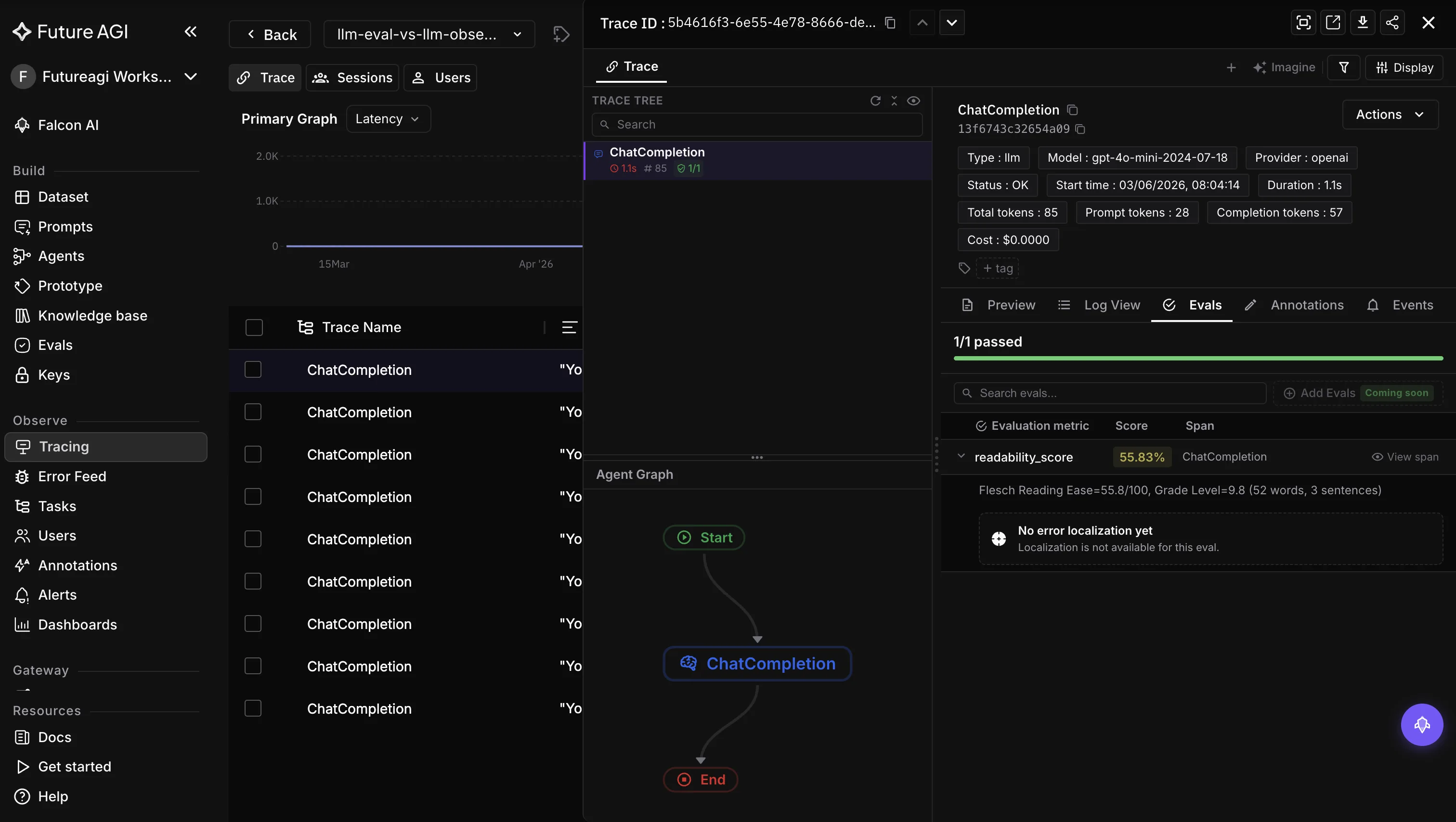
from fi.evals import evaluate

# Score a Cowork or Frontier agent response on faithfulness against context
result = evaluate(
    "faithfulness",
    output=agent_response,
    context=retrieved_docs,
    model="turing_flash",
)
print(result.score, result.reason)
The key insight: your choice between Frontier and Cowork is a deployment decision. Your evaluation stack should be independent of that choice.
Ecosystem Openness: Multi-Vendor Partners vs Open-Source Plugins
Frontier positions itself as an open platform. It supports agents from multiple vendors and connects to enterprise systems through open standards. The partner ecosystem includes AI-native companies like Harvey (legal), Sierra (customer experience), and Decagon (customer support). This openness positions Frontier as the operating system for enterprise AI rather than locking customers into OpenAI-only agents.
Cowork is more self-contained. It runs Claude models exclusively and extends through MCP connectors and open-source plugins. The plugin architecture is open (all 11 starters are on GitHub), but the execution environment is tied to Anthropic’s stack. Building heavily on Cowork plugins means switching to a different model later requires rebuilding those workflows.
For multi-cloud, multi-vendor enterprises, Frontier reduces lock-in risk. For teams already on Anthropic’s stack who value speed over vendor flexibility, Cowork’s tighter integration is a strength.
Which Enterprise Agent Platform Should You Choose
The honest answer: it depends on your problem.
| If you need… | Choose… |
|---|---|
| Organization-wide agent orchestration | OpenAI Frontier |
| Individual or team productivity automation | Claude Cowork |
| Multi-model agent fleet management | OpenAI Frontier |
| Fast deployment with minimal setup | Claude Cowork |
| Regulated industry compliance (SOC 2, ISO) | OpenAI Frontier |
| Open-source plugin customization | Claude Cowork |
Table 2: Choosing the right platform
These platforms are not mutually exclusive. A large enterprise could realistically use Frontier as the orchestration layer while individual teams use Cowork for day-to-day knowledge work. The critical piece is having a vendor-neutral evaluation and observability layer that works across both.
How to Evaluate AI Agents Independently of Your Platform Choice
The OpenAI Frontier vs Claude Cowork debate is really about two visions of enterprise AI. Frontier bets on centralized orchestration. Cowork bets on individual empowerment. Both are valid, and both will evolve rapidly through the rest of 2026.
But here is what matters most for engineering leaders: whichever AI orchestration platform you select, your agents need independent evaluation. You need to know whether your digital colleagues are producing reliable, accurate, and safe outputs before they touch production workflows.
Future AGI provides that evaluation layer. It is platform-agnostic, supports OpenTelemetry-based tracing via traceAI, and works with agents built on OpenAI, Anthropic, or any other provider. Set FI_API_KEY and FI_SECRET_KEY, register a project with fi_instrumentation.register, and start streaming traces alongside the agent platform of your choice.
Start evaluating your AI agents with Future AGI.
Frequently Asked Questions
What is OpenAI Frontier and when did it launch?
What is Claude Cowork and how is it different from Frontier?
Which platform should I choose: Frontier or Cowork?
Does either platform include production-grade evaluation for AI agents?
What compliance certifications does OpenAI Frontier have?
How is pricing structured for both platforms?
Can I run agents from multiple model providers on these platforms?
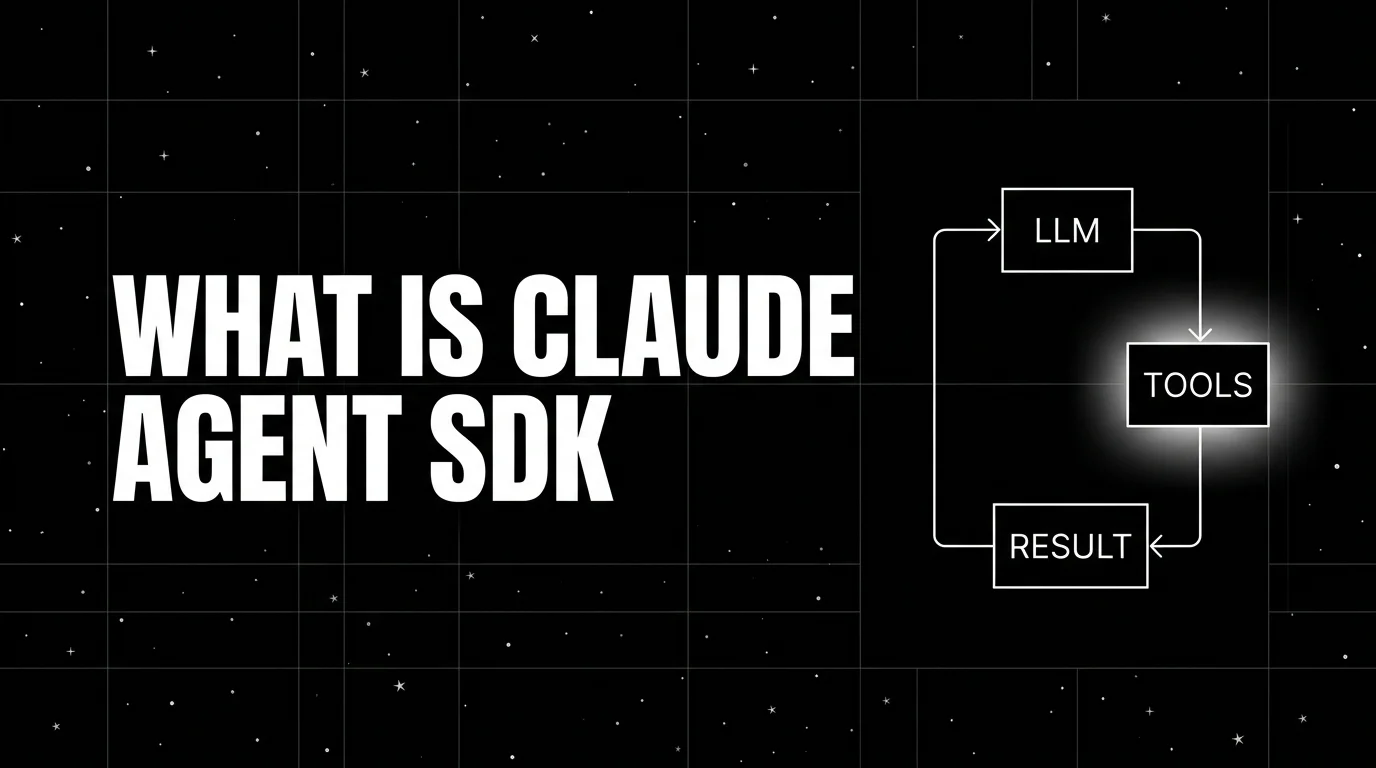
Claude Agent SDK is Anthropic's programmable agent harness. Python repo MIT-licensed, use under Anthropic Commercial Terms. Tools, MCP, sessions, observe.

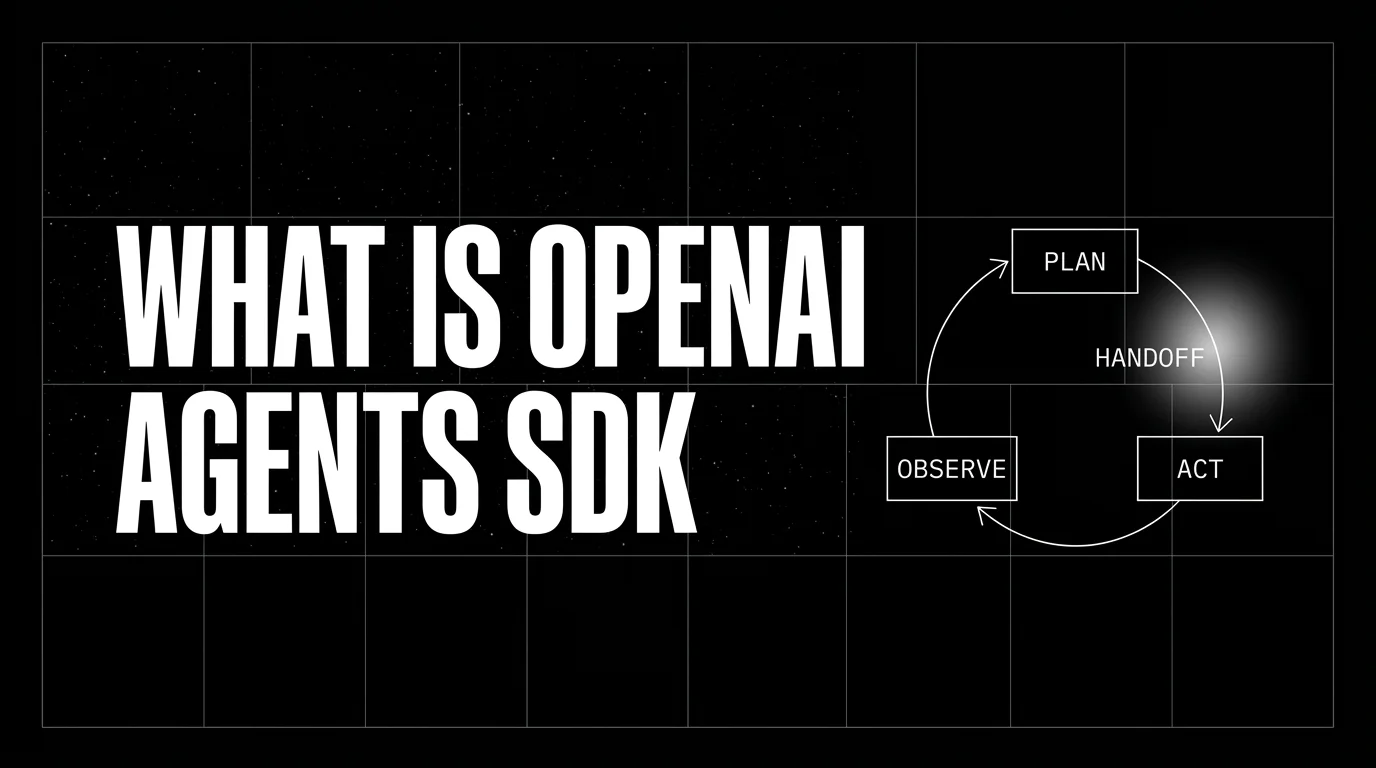
OpenAI Agents SDK is OpenAI's open-source framework for agent loops, handoffs, guardrails, and sessions. Architecture, primitives, and how to trace it.

Wire policy, enforcement, and audit into runtime so EU AI Act, NIST AI RMF, and ISO 42001 close on one plane without slowing releases.